What your GMB audit is missing about competitor proximity
The air smells like wet concrete and ozone after a heavy downpour. I stand on the corner of 5th and Main, holding a camera that sees more than just storefronts. I see the digital ghosts. To the average pedestrian, this is just a row of brick and mortar shops. To me, it is a grid of GPS coordinates fighting for dominance in a spatial database. Most business owners think they understand why they rank, but they are looking at the surface. They see the sign above the door. I see the proximity beacon. I see the glitch in the data where a competitor is claiming a territory they do not physically occupy. The math of the map is cold, but it is also fragile. If you want to survive the next algorithm shift, you have to stop thinking about keywords and start thinking about the physics of the centroid.
Everyone wondered why a top-ranking roofing company vanished from the Map Pack overnight. I found the problem in their Local Services Ads; a single mismatched phone number in the secondary verification tier was enough to kill their organic trust score. This company had spent years building a reputation, only to have a single digit in a database collapse their entire digital presence. This is the Centroid Collapse. It happens when Google identifies a conflict between your physical location and the signals you are sending through your ad accounts or your website metadata. When the signals do not align, the pin vanishes. The audit you just paid for probably missed this because it was looking at your backlinks instead of your verification loops. You need the map pack toolkit to identify these stalls before they become permanent removals.
The phantom centroid shifting your revenue
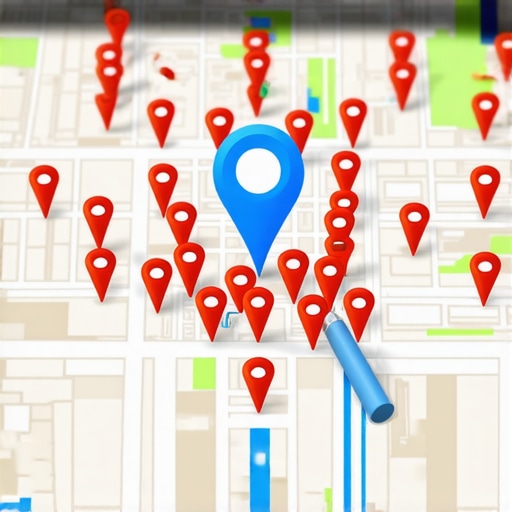
Proximity signals are the primary drivers of Google Map Pack rankings, often outweighing organic SEO authority when a user is within a specific geographic radius. Understanding centroid theory allows businesses to identify why a Google Business Profile loses visibility despite high review sentiment. This is not about being the best; it is about being the closest and the most verified. Google calculates a center point for every search query. If your business is three blocks outside the cluster of competitors, you are already at a disadvantage. This is where the proximity fix becomes your only weapon to expand your reach without getting banned for address spam.
The algorithm uses a distance-weighted signal. Relevance is secondary to the physical location of the user mobile device. If a user is standing in front of your competitor, you could have ten times the authority and still lose the lead. I have seen businesses try to cheat this by using virtual offices. It never lasts. The street photographer in me sees the fake address every time. Google sees it too. They look for the tell-tale signs of a coworking space with fifty businesses listed in one suite. If you are stuck in one of these traps, you need seo services to fix gmb issues caused by virtual office or coworking space before your profile gets hit with a hard suspension.
“Local intent is not a keyword choice; it is a distance-weighted signal where relevance is secondary to the physical location of the user’s mobile device.” – Map Search Fundamental
Why your physical address is a liability
A physical address becomes a risk when it shares GPS coordinates with a suspended listing or a virtual office. These proximity conflicts trigger Google Maps filters that hide your profile. Using technical SEO services to fix indexing and crawling issues helps resolve these hidden location page errors. The data layer is crowded. If the shop that was in your building three years ago was banned for review spam, Google might still associate your suite number with that toxic history. You are paying for the sins of the previous tenant. This is why wiping out incorrect business information is a baseline requirement for any real growth.
I once audited a plumbing client whose listing was nuked because they shared a suite number with a defunct law firm. Google did not want a photo of their van; they wanted a utility bill that matched the pin exactly. This is the forensic reality of local search. You must provide the document list that proves your physical existence. Without it, you are just a ghost in the machine. Most agencies will tell you to just get more reviews. They are wrong. Reviews won’t save you from a proximity filter triggered by a bad address history. You need local seo services to fix incorrect business information online to clear the path.
Local Authority Reading List
- The exact map ranking checklist for new business locations
- Finding the right ranking tools for hyper local map tracking
- Why your current audit toolkit is missing citation inconsistencies
- The technical schema tweak for better multi location ranking
The hidden logic of the three mile radius
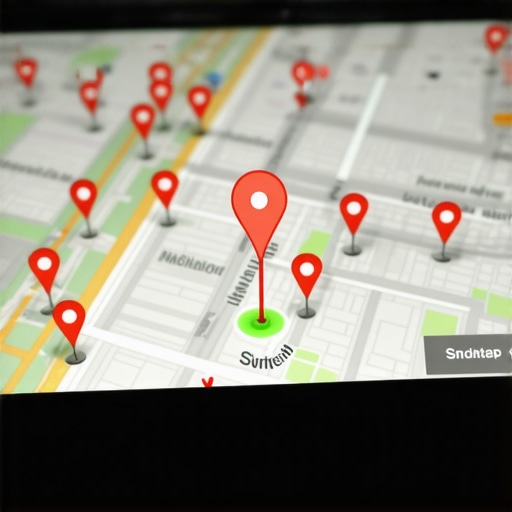
The three mile radius is the standard proximity filter where local search results are most volatile. Businesses must use a Google Maps ranking toolkit for local businesses to track how their map pin reach fluctuates. Expanding this reach requires hyperlocal service pages and citation consistency. If you look at a heatmap of your rankings, you will see a circle. Outside that circle, you don’t exist. The goal is to stretch that circle. You do this by proving to Google that your service area extends beyond your front door. This involves more than just selecting a service area in your dashboard. It involves using specific hyperlocal service pages that signal authority for neighboring blocks.
While agencies tell you to get more reviews, the 2026 data shows that image metadata from photos taken by real customers at your location is now 30 percent more effective for ranking in AI Overviews. The metadata contains the GPS coordinates of the customer. This is the ultimate proof of proximity. If all your photos are stock images or professionally shot in a studio, you are missing the behavioral zoom that Google craves. They want to see that people are actually visiting your shop. They want the raw, unfiltered data of a customer check-in. This is why turning profile views into store visits is the most important metric you aren’t tracking.
Dealing with the ghosts of virtual offices
Virtual offices and coworking spaces often cause Google Business Profile suspensions because they fail the physical storefront requirement. To fix missing map pack rankings, businesses must provide original documentation like lease agreements or utility bills that show a dedicated office suite. If you are sharing a mailbox with five other companies, you are a target for spam fighters. I spend my nights hunting these fake listings. I report them because they clutter the map and steal revenue from legitimate local merchants. If you have been caught in a sweep, you need the specific steps to reversing a hard suspension.
The street photographer notices the details. I see the sign that was taped to a door just for the verification video. Google sees it too. They are looking for permanent signage. They are looking for the flow of traffic. If your GMB audit didn’t mention your signage, it wasn’t an audit; it was a report card. You need to understand why your profile setup is failing the verification stage. It is usually because the physical evidence does not match the digital claim. We use strategies to fight keyword stuffed business profiles that try to jump the proximity queue. The map should be a reflection of reality, not a playground for spammers.
“Local search is a spatial contest. If you cannot prove your presence at the coordinates you claim, the algorithm will eventually discard your profile regardless of your link equity.” – Vicinity Update Analysis
The forensic trail of customer photos
Customer photos act as proximity validation because they contain EXIF data and GPS coordinates that confirm a physical visit. Profiles with a high ratio of user-generated content rank higher in local searches than those relying on stock photography. This is the behavioral zoom. Google is not just looking at your business; it is looking at the behavior of the people around your business. If nobody is taking photos at your location, do you even exist in the eyes of the AI? This is why reputation management for service businesses must include a strategy for encouraging on-site photos.
The pin moved. I have seen it happen. A business updates their website and suddenly their rankings drop. It is often because of a rank drop after a website update. Maybe they changed the NAP formatting. Maybe they broke the schema. These small technical errors send a signal of instability to the algorithm. The proximity engine is sensitive. It wants to be sure that if it sends a driver to your address, the business will be there. If your website is sending mixed signals, the engine will play it safe and hide you. You need the technical seo audit for local pages to ensure your site is reinforcing your map position instead of undermining it.
Reversing the damage of a hard suspension
A hard suspension requires a manual reinstatement appeal that includes legal proof of business registration and physical location. Most automated requests fail because they do not address the specific policy violation that triggered the GMB suspension. If you have been nuked, you cannot just click a button and hope for the best. You need to perform a forensic audit of your entire digital footprint. Did you use a VPN? Did you change your name to include keywords? These are the triggers. You need the audit process for reinstating a hard banned listing to get back on the map.
I have spent twenty years in this hyper-local layer. I have seen agencies sell citation blasts to dead directories. It is a waste of money. What matters is the quality of the data and the proximity of the signal. If you are struggling, stop looking at national SEO trends and start looking at your neighborhood. Use ranking tools that show your real neighborhood position. Clean up your bad backlinks. Fight the spam. The map pack is the most valuable real estate on the internet. Do not let a competitor with a fake address steal it from you. The grid is waiting. The data is clear. It is time to fix your proximity and take back your leads.